Civil Earthworks in Melbourne: What It Takes to Treat Dispersive Soil
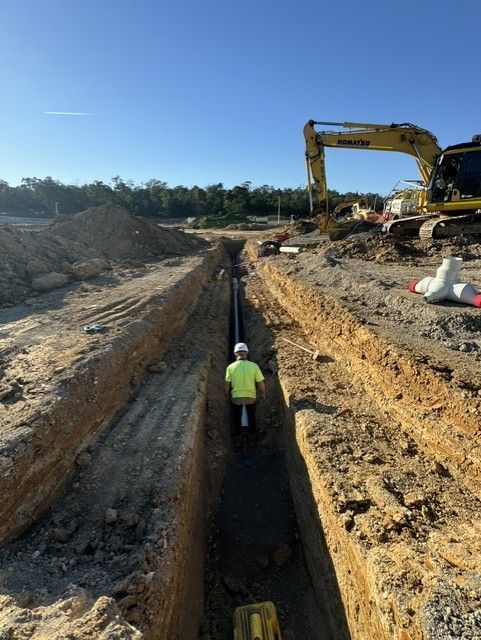
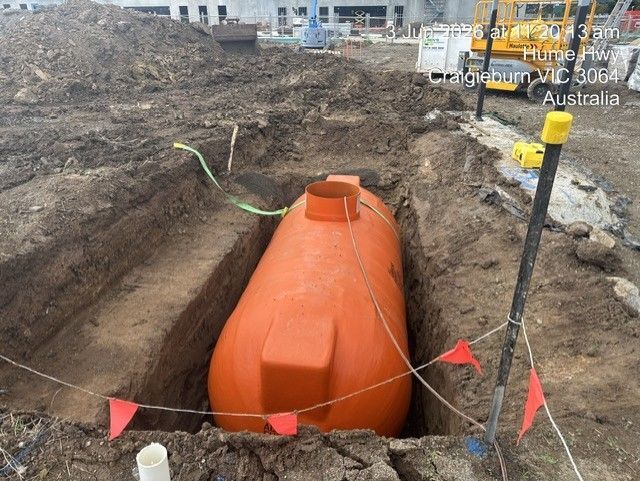
Some of the most important civil earthworks in Melbourne happen before anything is built, and you would struggle to tell by looking. On a recent commercial site, the CHS team was preparing ground for a future wetland. The soil looked firm and workable. The problem was what it does the moment water touches it.
This was sodic soil: dispersive, erosion-prone, and the kind of ground that quietly undoes a project if it is not dealt with early. Treating it is a specialised part of civil earthworks, and it is a good example of why the groundwork stage matters more than the parts people notice later.
What "dispersive" and "sodic" actually mean
Most soil holds together when it gets wet. You can dig it, shape it, run water across it, and it stays roughly where you put it. Sodic soil does not behave that way.
Sodic soil has a high proportion of sodium sitting on the clay particles, and that sodium stops the clay from binding together. So when water hits it, the clay disperses, the structure collapses, and the soil effectively washes away as a muddy suspension rather than staying put. That is what dispersive means: the soil comes apart in water instead of holding its shape.
On a dry day it can look completely stable. Add rain or runoff and it starts to erode, form channels, and shift. Left untreated on a site that is going to hold water, that is a serious problem.
Why it matters more on a wetland site
A wetland is designed to move and hold water. That is the whole point of it, which means the soil underneath and around it is going to be wet, often, and for long stretches.
Build that on dispersive sodic soil without treating it first and you get erosion, sediment washing into the water, banks that slump, and a site that never settles into its intended shape. The design might be perfect on paper. The ground decides whether it actually works.
Treating the soil: stabilising dispersive ground
The fix for sodic soil is to change how the soil particles behave, so the clay binds together instead of dispersing. In civil and agricultural earthworks, that is typically done by working a calcium-based amendment such as gypsum through the soil. The calcium displaces the sodium, the clay structure holds together again, and the ground becomes far more stable when wet.
The detail that matters is doing it thoroughly and at the right stage. Treatment has to be worked through the soil properly, not just spread on top, and it has to happen before the site is shaped and exposed to water. Get the timing and the coverage right and dispersive ground can be turned into a stable, workable base.
The specifics of any given site's treatment come down to what that ground actually needs, because soil varies across a project and the right approach comes from testing and assessing it rather than a one-size formula.
Shaping the site so water works with it
Treating the soil is one half. Managing where the water goes is the other.
Part of preparing a site like this is grading and shaping it so runoff moves in a controlled way rather than pooling or cutting its own paths. Good site preparation anticipates how water will move once the wetland is functioning, and once Melbourne's wetter months arrive, and shapes the ground so that movement is planned rather than accidental.
This is standard civil earthworks discipline, the same thinking that goes into drainage and levels on any earthmoving job. Water always wins eventually, so the job is to decide where it goes before it decides for you.
Why this is civil earthworks, not just moving dirt
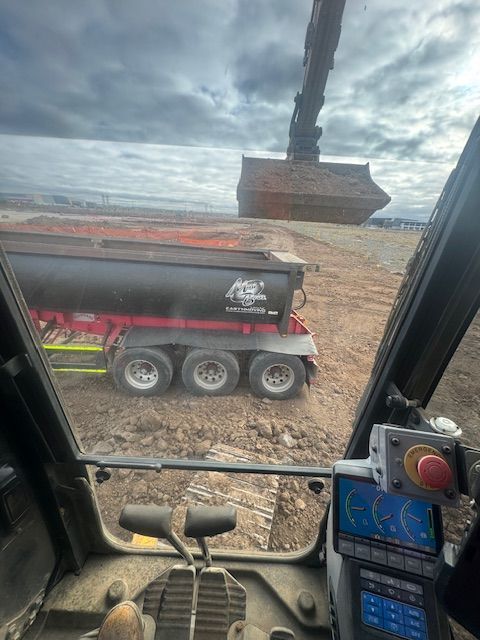
There is a view that earthmoving is a blunt trade: dig here, push that there, load the truck. Site preparation like this is the opposite. It relies on reading ground conditions, understanding how different soils behave, and knowing what has to happen, in what order, for the finished site to hold up.
That is the civil earthworks side of CHS. Alongside the garden and landscape work the business is known for, the team runs earthmoving and site preparation across Melbourne, from residential builds to commercial and growth-corridor developments. The common thread with the horticultural side is the same one that runs through this whole job: the groundwork done properly at the start is what makes everything after it work.
Where wetland and environmental work fits in
Growth corridors and new developments across Melbourne increasingly include wetlands, retention basins, and landscaped drainage as part of the plan. These are not decorative extras. They manage stormwater, support planting, and handle runoff for whole developments.
Preparing the ground for them, treating problem soils, controlling erosion and shaping levels, is specialised civil work that sits right at the intersection of earthmoving and horticulture. That happens to be exactly where CHS has worked for three decades, and it is part of the broader specialised services the team takes on. Some of that larger commercial work is captured on the projects page.
The takeaway: the ground decides the result
It is easy to judge a finished site by what is on top: the water, the planting, the shaped banks. But whether all of that lasts is decided much earlier, by how well the soil underneath was understood and treated.
Dispersive sodic soil is a good reminder of that. Ignore it and it erodes the project from below. Treat it properly, at the right stage, and it becomes a stable foundation you never have to think about again. That is the quiet, unglamorous heart of good civil earthworks.
Planning civil earthworks or site preparation in Melbourne?
Whether it is a commercial development, a wetland or drainage project, or a residential build that needs the groundwork done right, the soil and site preparation stage is where the result is won or lost. CHS has handled civil earthworks and site preparation across Melbourne since 1995, alongside the horticultural and landscaping side most earthmoving outfits do not offer. Get in touch for a free quote and we will take a look at what your site needs.
Frequently Asked Questions
What is sodic soil and why is it a problem?
Sodic soil has a high level of sodium attached to its clay particles, which stops the clay binding together. When it gets wet the structure breaks down and the soil disperses and erodes, even though it can look completely stable when dry. On any site that will hold or move water, that makes it prone to erosion and instability unless it is treated first.
What does dispersive soil mean in earthworks?
Dispersive soil comes apart in water rather than holding its shape. Instead of staying put when runoff crosses it, the particles separate and wash away as a muddy suspension. It is a common issue on some Melbourne sites and needs to be identified and managed during the earthworks stage.
How do you treat sodic or dispersive soil?
The usual approach is to work a calcium-based amendment such as gypsum through the soil, which helps the clay bind together again instead of dispersing. The treatment needs to be mixed through properly and carried out before the site is shaped and exposed to water. The exact method depends on the specific soil, so it is guided by assessing the ground rather than a fixed formula.
Why does soil treatment matter for a wetland?
A wetland is designed to hold and move water, so the surrounding soil spends a lot of time wet. If that soil is dispersive and untreated, it erodes, sediment washes into the water, and banks slump. Treating and stabilising the ground first is what lets the finished wetland hold its shape and function as intended.
Does CHS do commercial and civil earthworks in Melbourne?
Yes. Alongside garden maintenance and landscaping, CHS runs earthmoving, site preparation and civil earthworks across Melbourne, including commercial and growth-corridor projects. This mix of horticultural and civil capability is unusual, and it suits projects like wetlands where the two overlap.