Tree Relocation vs Tree Removal: How to Decide
When a mature tree is in the way of a renovation, a new pool or a driveway, most people assume it has to come out. Often it doesn't. Tree relocation vs tree removal is a real choice, and the right answer depends on four things: whether the tree is a good candidate to survive the move, whether the site gives you the access to do it, what your council allows, and what that tree is actually worth to the property.
Moving a tree costs more than cutting it down. Replacing a 30 year old tree with a nursery sapling costs you something too, it just takes longer to show up. Here is how we think it through.
What tree relocation actually involves
Relocating a tree is not digging it up and dropping it somewhere else. Done properly, it is a staged job that starts well before the lift and carries on well after it.
Preparing the root ball
The root ball is everything. It has to be big enough to carry the roots the tree needs to keep going, but it also has to be something machinery can physically lift and move. On larger trees, roots are often pruned back ahead of the move so the tree starts growing fresh feeder roots inside the ball before it is lifted.
The lift and the move
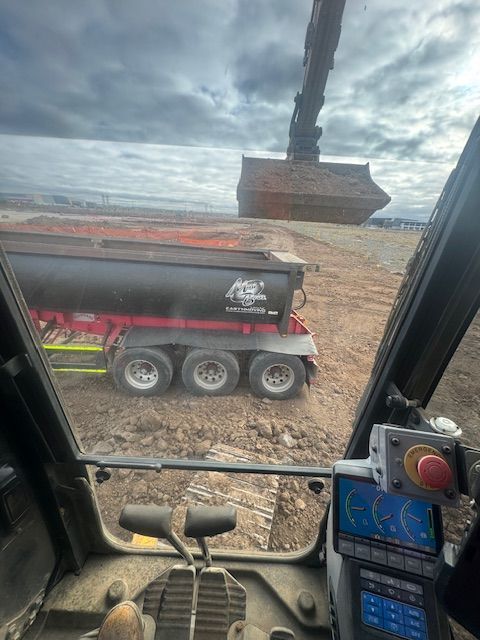
Small trees can be shifted with earthmoving gear on site. Bigger ones need a crane, and that brings in questions about access, overhead lines, ground bearing and where a crane can safely set up. Getting the lift plan right is as important as the horticulture, which is why tree relocation sits so naturally alongside earthmoving and transport work.
Replanting and aftercare
The new hole is prepared before the tree arrives, so the root ball spends as little time out of the ground as possible. Once it is in, the tree is usually braced so wind can't rock it while new roots take hold, and then it needs consistent watering for months, not weeks. Most relocations that fail, fail here, in the first summer, when watering slips.
When relocating a tree makes sense
Relocation is usually worth a serious look when:
- The tree is healthy and well established. A vigorous tree has the reserves to recover from losing part of its root system. A stressed or declining one often doesn't.
- It would take decades to replace. A mature specimen gives a garden instant scale and shade that no new planting can match for a long time.
- It is only in the way, not in the wrong place for good. Moving a tree a few metres to clear a build zone, then setting it back into the finished design, keeps the character of the garden intact.
- It has heritage or sentimental value. Some trees are part of what makes a property what it is. Losing them changes the place.
- The species moves well. Some trees handle relocation far better than others. Palms are a good example, which is why you see mature palms relocated so often across Melbourne.
When removal is the better call
Relocation isn't always the right answer, and a good contractor will tell you when it isn't. Removal usually makes more sense when:
- The tree is unhealthy or structurally unsound. Spending money moving a tree that is already in decline rarely pays off.
- The species is a poor transplant candidate. Some trees simply don't tolerate root disturbance well, however carefully it is done.
- There is no way to get machinery in. If a crane or the right gear can't reach the tree, or the new position, the job may not be practical.
- It is the wrong tree for the spot. A tree that was planted too close to a house, or that will always outgrow its space, may be better replaced with something suited to the garden.
The questions that decide it
Will the tree survive the move?
This comes down to species, size, age and health, plus how well the move and aftercare are handled. Nobody can promise a relocated tree will thrive, but a healthy tree of a suitable species, prepared and looked after properly, has a far better chance than most people expect.
Can the site take the job?
Access is often the deciding factor on Melbourne's established blocks. Narrow side passages, overhead power, neighbouring structures and soft ground all affect whether a crane can set up and how a root ball can be moved. It is worth having the site looked at before anyone settles on a plan.
What does council say?
Many Melbourne councils protect trees above a certain size through local laws, and some properties sit under heritage or vegetation protection overlays. Those rules can apply to relocating a tree as well as removing it, so check with your council before committing to either. In some cases, keeping a significant tree on the property by moving it is easier to get approved than taking it out altogether.
What is the tree worth to the property?
A mature tree adds shade, privacy, scale and street appeal. When you compare the cost of relocation with the cost of removal plus a replacement, factor in how many years it would take a new tree to do what the existing one already does.
Timing a tree relocation in Melbourne
As a general rule, the cooler months give a relocated tree the gentlest start. Lower temperatures mean less water loss while the roots recover, and the tree has time to settle before Melbourne's summer heat arrives. That said, timing depends on the species and the project, and a well planned move outside the ideal window can still succeed with the right aftercare.
What matters most is not leaving the tree decision until the excavator is already on site. Root preparation takes time, so the earlier relocation is built into a renovation or landscape plan, the better the tree's odds.
How CHS approaches a tree move
Tree relocation is one of the more unusual things CHS does, and it sits right where the two sides of the business meet. The horticultural side knows how a tree is likely to respond and what it needs afterwards. The civil side has the earthmoving equipment, and established working relationships with major crane companies, to handle trees from 100kg up to 15,000kg. You can see more on our specialised services page.
[CONFIRM WITH CHS: one real relocation job, e.g. the species, roughly how far it moved and why the client chose to keep it rather than remove it.]
Once a tree is back in the ground, the aftercare is part of the job, not an afterthought. On properties we already look after through ongoing garden maintenance, a relocated tree gets the watering and checks it needs through its first seasons as part of the regular visits.
Making the call
If the tree is healthy, the species moves well, the site gives you access and council is on side, relocation is often the better long term outcome. If any of those fall over, removal and a well chosen replacement may be the smarter path. Either way, the decision is easier with someone on site who can assess the tree and the ground properly.
If you have a mature tree in the way of a project and aren't sure whether it can be saved, get in touch and we'll take a look at what is possible.
Frequently Asked Questions
Is it better to relocate a tree or remove it?
It depends on the tree's health and species, whether the site has access for machinery, council rules, and how much the tree is worth to the property. A healthy, mature tree of a species that transplants well is often worth relocating. An unhealthy tree, or one that will always be wrong for its spot, is usually better removed and replaced.
Can a large, mature tree be relocated?
Yes. With the right preparation, earthmoving equipment and crane support, very large trees can be moved. CHS handles trees from around 100kg up to 15,000kg. Whether a particular tree can be moved comes down to its species, health, root ball size and site access.
Do I need a council permit to relocate a tree in Melbourne?
Possibly. Many Melbourne councils protect trees above a certain size, and heritage or vegetation overlays can apply on some properties. Those rules can cover relocation as well as removal, so check with your local council before any work starts.
When is the best time to relocate a tree?
The cooler months generally give a relocated tree the best start, since it loses less water while its roots recover and has time to settle before summer. The ideal timing still depends on the species and the project, and planning early allows time for root preparation.
How do I give a relocated tree the best chance of surviving?
Consistent watering through the first months, and especially the first summer, matters more than anything else. Bracing the tree against wind while new roots establish and keeping an eye on its condition through its first seasons also make a real difference.