
Spring Garden Clean Up: A Melbourne Checklist
A spring garden clean up is the job that decides how the rest of the year goes. In Melbourne, October and November are when everything takes off at once. Hedges push out soft new growth, lawns start needing a mow every week, and weeds move into any gap you leave them. Get on top of it early and the garden holds its shape into summer. Leave it a month and you're catching up until Christmas.
This checklist covers what to do, in roughly the order to do it, so the work you put in now actually lasts.
Why spring is the clean up that matters most
Winter is slow in a Melbourne garden. Growth stalls, the soil stays cold and wet, and most plants sit quietly. That makes winter a good time for structural pruning, but not for tidying, because nothing has really moved yet.
Spring is the opposite. Warmer soil and longer days kick everything into gear, and the garden's shape starts to blur. A clean up at the start of this growth spurt does two things. It clears out what winter left behind, and it sets clean lines that are far easier to keep than to recreate later.
It's also the last comfortable window before summer heat. Jobs like mulching, feeding and fixing irrigation are much easier to do, and much more effective, before the first run of hot days.
Your spring garden clean up checklist
Work through these roughly in order. Clearing comes before cutting, and cutting comes before feeding and mulching, so you're not covering up problems or spreading mulch over weeds.
1. Walk the garden and check for winter damage
Before you pick up a tool, take a slow lap. Look for branches broken by winter wind, plants that haven't come back, soggy spots where water has sat, and edges that have slumped. In frost-prone suburbs, check for burnt tips on tender plants. Knowing what you're dealing with stops you wasting time on the wrong jobs first.
2. Clear the beds
Rake out fallen leaves, old mulch that has broken down into a mat, and any prunings left from winter. Pull weeds now, while they're young and the soil is still soft. Spring weeds that get to flower and seed will keep coming back all season.
- Hand weed close to plants. It's slower, but it avoids damaging roots and new shoots.
- Get the roots out. Weeds snapped off at the surface often regrow within a couple of weeks.
- Don't compost seed heads. Anything already seeding is better off in the green waste bin.
3. Cut back what winter left behind
Remove dead, damaged and diseased wood from shrubs, and cut back any perennials and grasses that were left standing over winter so the fresh growth can come through. Spring-flowering shrubs are the exception. Leave them alone until they've finished flowering, then prune, or you'll cut off this season's display.
If your roses were missed in winter, a light tidy is fine now, but save the hard prune for next July. Our guide to when to prune roses in Melbourne covers what to do if you're running late.
4. Give hedges their first trim of the season
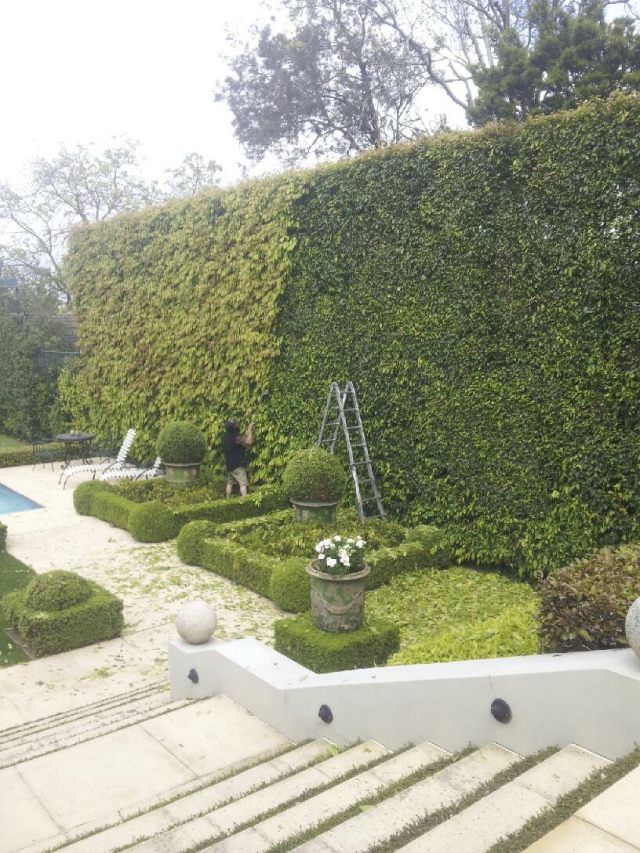
Spring hedge trimming is about timing as much as technique. Most hedges put on a flush of soft new growth in early to mid spring. Let that growth come through, then trim once it has started to firm up. Cut too early and the hedge just pushes out another flush straight away. Wait too long and the hedge loses its line, and you end up cutting back into older wood to get it square again.
So when should you trim hedges in spring? For most Melbourne hedges, mid to late spring is the sweet spot for the first proper cut, followed by lighter trims through summer to keep the shape. A few things to keep in mind:
- Check for nesting birds first. Spring is nesting season. Have a look inside the hedge before you start.
- Keep the base wider than the top. A slight taper lets light reach the lower foliage, so the hedge stays full at the bottom.
- Avoid hot days. Freshly cut foliage scorches easily in the heat, so trim on a mild, overcast day if you can.
- Use sharp gear. Blunt blades tear leaves and leave a ragged, browned finish.
Tall, dense or formal hedges are often worth handing over. Getting a long run of hedging level and square takes the right access equipment and a practised eye, which is where professional hedge trimming and pruning earns its keep.
5. Wake the lawn up
Lawns that sat still through winter start growing fast in spring. Mow more often and take less off each time, rather than letting it get long and scalping it back. Sharpen the mower blade too, since a clean cut helps the grass recover quicker.
- Edge it properly. A sharp edge between lawn and beds does more for how a garden looks than almost anything else on this list.
- Feed it. A spring fertiliser, watered in, sets the lawn up for its strongest growth of the year.
- Fix the low and thin patches. Spring is a good time for top dressing. We've written a step-by-step guide on how to top dress a lawn.
If you'd rather not be out there every week from now until autumn, regular lawn care and mowing keeps it on track.
6. Feed the garden beds
Once the beds are cleared and weeded, give them a feed as new growth starts. A general slow-release fertiliser or well-rotted compost suits most mixed beds. Follow the product directions and water it in well. More isn't better here, and overfeeding pushes out soft, sappy growth that pests love.
7. Mulch before the heat arrives
Mulching is the single best thing you can do in spring to make summer easier. It holds moisture in the soil, keeps roots cooler and slows the next round of weeds.
- Weed and water first. Mulch over moist, weed-free soil, never dry ground.
- Go for a decent layer. Around 5 to 7cm is a good general depth for most beds.
- Keep it off stems and trunks. Mulch piled against the base of plants holds moisture where you don't want it.
8. Check the irrigation before summer
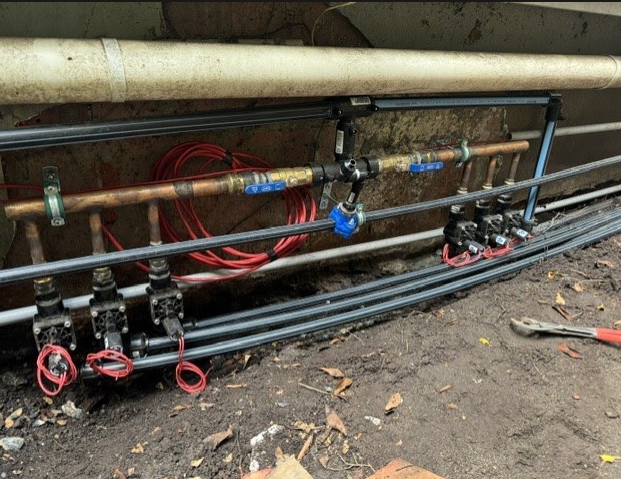
This is the step most people skip, and the one that costs the most when it's missed. Run each zone of your system and walk it while it's on. Look for blocked or broken heads, leaking fittings, dry patches and sprays hitting paths instead of plants. Update the controller for spring, since winter settings won't be enough once the weather warms.
Finding a fault in October is an easy fix. Finding it in a January heatwave usually means losing plants. If the system needs repairs or a rethink, our irrigation installation and maintenance team can take a look.
Spring garden maintenance after the clean up
A spring clean up isn't a one-off. The point is to reset the garden so regular spring garden maintenance becomes quick and easy rather than a constant catch up. Through the rest of spring, the jobs that matter are:
- Weekly or fortnightly mowing as the lawn hits full growth.
- Regular weeding before anything gets the chance to seed.
- Deadheading spent flowers to keep plants flowering longer.
- Light hedge trims to hold the line between bigger cuts.
- Watching the watering as the days get longer and warmer.
Common spring clean up mistakes
- Pruning spring-flowering shrubs too early. Wait until they've finished flowering.
- Mulching over weeds. They'll push straight through and you'll be weeding the mulch all summer.
- Scalping the lawn. Letting it get long and then cutting it hard leaves it patchy and stressed going into summer.
- Trimming hedges in the heat. Fresh cuts burn quickly on a hot day.
- Forgetting the irrigation. It's out of sight, so it's out of mind until something dies.
How CHS approaches a spring garden clean up
CHS has looked after gardens across Melbourne's inner and eastern suburbs for over 30 years, from period homes with formal front gardens to large established properties. In spring, a lot of that work is exactly what's on this list: clipping hedges back into shape, edging lawns, clearing beds and getting gardens set up before the heat.
A recent job in Malvern is a good example. The front garden of a period home, with a curved lawn, clipped boundary hedge and a black and white tiled path, where clean edges and a sharp hedge line make the whole garden.
For most clients, the spring clean up is the start of ongoing garden maintenance rather than a one-off. Regular visits through spring and summer keep the garden at that just-tidied standard without the big catch up every few months.
Get your garden ready for summer
Clear first, cut second, feed and mulch last, and check the water before the heat arrives. Do that in October and November and your garden goes into summer looking sharp and staying that way.
If you'd rather hand the spring clean up over, get in touch for a quote and we'll take a look at what your garden needs.
Frequently asked questions
When should I do a spring garden clean up in Melbourne?
Late September through October is ideal for most Melbourne gardens, once the soil has started to warm and new growth is coming through. In colder, frost-prone suburbs, it can be worth waiting until mid October.
What should a spring garden clean up include?
Clearing leaves and old mulch, weeding, cutting back dead and damaged growth, a first hedge trim, mowing and edging the lawn, feeding and mulching the beds, and checking the irrigation before summer.
When should I trim hedges in spring?
Let the first flush of soft spring growth come through and start to firm up, then trim. For most Melbourne hedges that means mid to late spring, followed by lighter trims through summer. Check for nesting birds first and avoid hot days.
Should I mulch in spring?
Yes. Spring is the best time to mulch, after weeding and while the soil is still moist. A layer of around 5 to 7cm helps hold moisture and keep weeds down through summer. Keep it clear of plant stems and trunks.
Is it worth getting a professional spring garden clean up?
For larger gardens, tall or formal hedges, or anyone short on time, a professional clean up gets everything done properly in one go and sets the garden up for easier maintenance through the rest of the season.