
Backyard Landscaping Ideas for Melbourne Gardens
The best backyard landscaping ideas aren't usually the flashiest ones. They're the ones that still look good five years later, suit the way you actually use the space, and cope with a Melbourne summer without falling apart. A curved bed, a well laid brick path and the right planting in the right spot will outlast most trends.
The garden in the photo above is a good example. There's nothing gimmicky in it. Just a sweeping bed under a big established tree, layered shade planting, old brick edging and a herringbone brick path, all working together. Here are the ideas behind gardens like that, plus a look at how a backyard renovation actually runs from start to finish.
1. Curve your garden beds
Straight lines suit formal gardens, but a curved bed softens a backyard straight away. Curves lead the eye around the space, make a small yard feel less boxy and create natural pockets for planting.
A sweeping bed that follows the canopy of a tree, like the one in the photo, also makes practical sense. It keeps foot traffic and lawn away from the tree's root zone and gives the planting underneath room to fill out.
2. Edge beds properly
Good edging is one of the cheapest ways to make a garden look finished. It holds mulch and soil in, stops lawn or gravel creeping into the beds and gives every border a crisp line.
- Brick. Laid on edge or flat, brick suits period homes and ties in with brick paths. Weathered red brick, as in the photo, looks like it's always been there.
- Steel. Thin steel edging gives a clean modern line and bends easily around curves.
- Stone. Natural stone suits more relaxed or coastal-style gardens and pairs well with stone paving.
3. Lay a herringbone brick path
A herringbone pattern is one of the oldest paving patterns around for a reason. The interlocking zigzag looks great, and it's also one of the stronger patterns for handling foot traffic because the bricks lock against each other.
What makes a brick path last is what's underneath it. A properly compacted base and good drainage are what stop pavers sinking, rocking or lifting over time. That groundwork is where paving and hardscaping done properly separates itself from a quick weekend job.
4. Plant in layers
Flat planting looks thin. Layered planting looks full and established much sooner. Think in three levels:
- Top layer. Trees and tall shrubs that give height, shade and structure.
- Middle layer. Mid-height shrubs, ferns and perennials that fill the bulk of the bed.
- Ground layer. Low groundcovers that spill over edges, shade the soil and keep weeds down.
The bed in the photo does exactly this: a mature tree overhead, ferns and broad-leafed planting in the middle and a white flowering groundcover tumbling over the brick edge.
5. Make the shady spot a feature
Most backyards have a shady corner where lawn struggles and nothing seems to grow. Rather than fighting it, plant it as a shade garden. Ferns, hellebores, clivias and shade-tolerant groundcovers can turn a dead patch into the coolest spot in the yard on a hot day.
Shade under a mature tree is harder than it looks, because the tree's roots compete for water and nutrients. Beds like this need regular mulching, feeding and deep watering in dry spells to stay lush.
6. Use hedging as walls
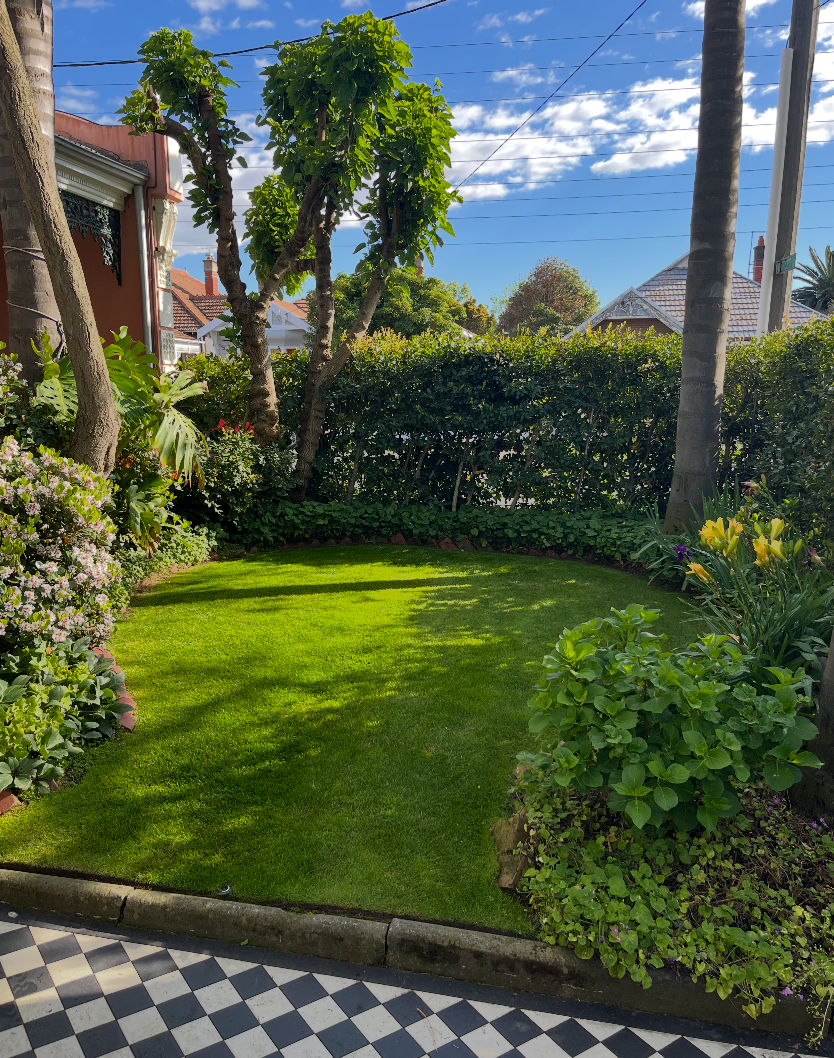
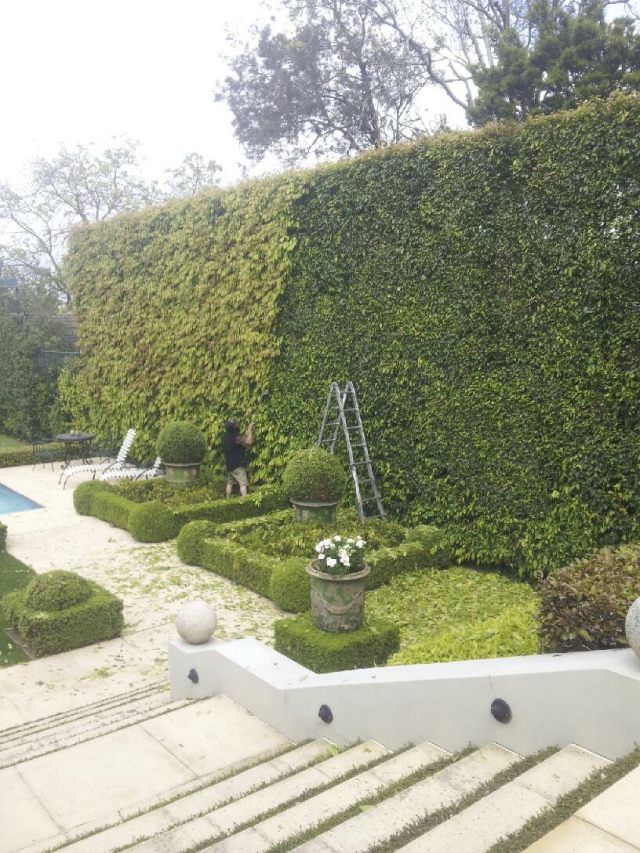
Clipped hedges do the job of a fence while looking far softer. They give privacy, block wind, hide neighbouring buildings and create outdoor rooms within a bigger yard. The trade-off is upkeep. A formal hedge only stays sharp with regular trimming through the growing season.
7. Add a small water feature or birdbath
A water feature doesn't need to be big to work. A simple bowl or birdbath tucked into a bed adds a focal point, brings in birds and gives the garden a bit of movement and sound. Keep it somewhere you can reach easily for cleaning and topping up through summer.
8. Light it for the evenings
Low garden lights set into beds, like the small spike light visible in the photo, make a backyard usable after dark and pick out trees and textures at night. Uplighting a big tree trunk or washing light across a fern bed can completely change how the garden feels in the evening. Plan the cabling before the planting and paving go in, not after.
9. Choose plants that suit Melbourne
Hot dry summers, cool wet winters and a lot of heavy clay soil mean not every plant from the nursery will thrive here. Match plants to the light, soil and water each spot will actually get, and group plants with similar water needs together. It's the single biggest factor in how much work a backyard needs later.
10. Build in the watering from day one
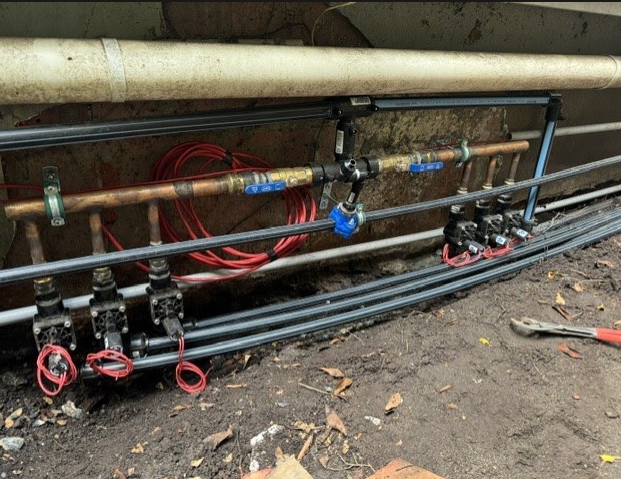
Irrigation is much easier to install while beds are open and paving isn't down yet. A drip system through garden beds and hedging puts water straight onto the roots with very little waste, which matters through a Melbourne summer. Our irrigation installation and maintenance work covers everything from a simple single valve system to large multi-zone setups.
The backyard renovation process: how it usually runs
Good ideas only work if the job is done in the right order. Every site is different, but most backyard landscape construction follows roughly the same steps.
Design and planning
It starts with how you want to use the space: entertaining, kids, a pool, low maintenance, privacy. A considered landscape design sets out where paths, beds, lawn and structures go, so everything fits together rather than being added piece by piece.
Site preparation, levels and drainage
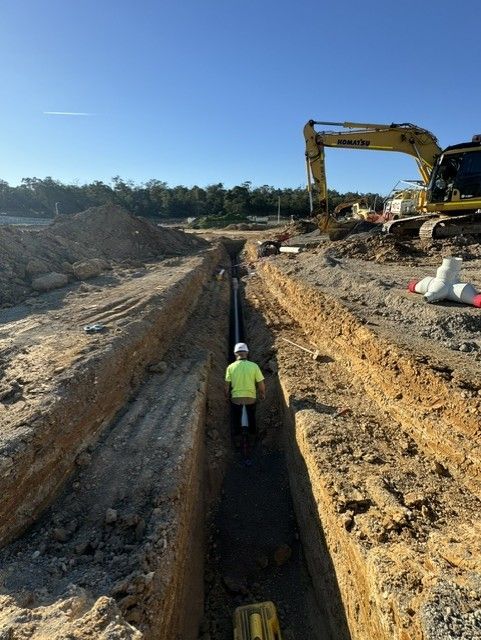
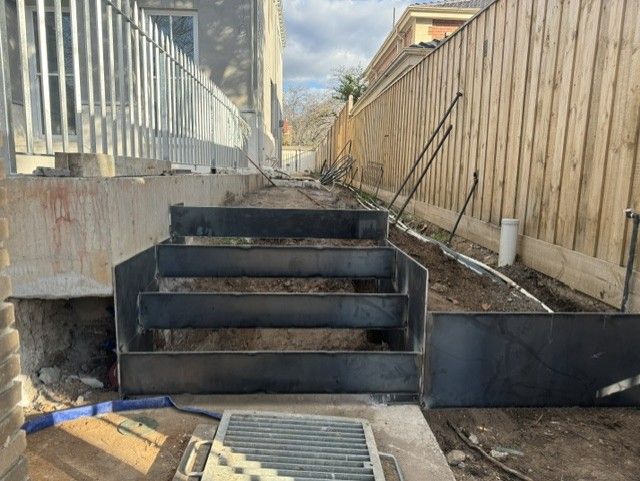
This is the stage nobody sees in the finished photos and the one that decides whether the garden lasts. Old material comes out, levels are set, and drainage is sorted so water moves away from paving and the house instead of pooling.
Hardscape first
Retaining walls, paths, paving, edging and any structures go in next, along with irrigation lines and lighting cables. Doing the hard work first means planting isn't trampled or dug up later.
Soil, planting and mulch
Beds are improved with good soil and organic matter, then planted and mulched. Autumn and spring are generally the kindest times to plant in Melbourne, giving new plants time to settle before the heat arrives.
Ongoing care
A new backyard is at its most vulnerable in its first year. Regular garden maintenance keeps new planting watered, hedges in shape and beds tidy while everything establishes.
Bringing your backyard ideas to life
The backyards that work best usually combine a few simple ideas done well: strong edges, a good path, layered planting suited to the conditions and solid groundwork underneath. CHS has been building and looking after Melbourne gardens since 1995, and our landscape construction work covers everything from paving and edging through to planting and irrigation.
If you've got a backyard that needs a rethink, get in touch with the CHS team and we'll take a look at what your space could become.
Frequently Asked Questions
What are some easy backyard landscaping ideas?
Some of the simplest upgrades make the biggest difference: curving and edging garden beds, adding a defined path, planting in layers, mulching beds and adding low garden lighting. Turning a shady corner into a planted shade garden is another easy win.
What order should a backyard renovation be done in?
Generally design comes first, then site preparation, levels and drainage, then hardscape such as paving, walls and edging along with irrigation and lighting cables, then soil improvement, planting and mulch. Doing the hard landscaping before planting avoids damaging new plants.
Is herringbone a good pattern for a brick path?
Yes. Herringbone looks classic and the interlocking bricks handle foot traffic well. Like any paving, it relies on a properly compacted base and good drainage to stay level over time.
What can I plant in a shady backyard in Melbourne?
Ferns, hellebores, clivias and shade-tolerant groundcovers are reliable options. If the shade comes from a large tree, choose plants that also tolerate root competition, and plan for regular mulching and watering in dry spells.